
How to prevent parasites in hamsters, gerbils, and guinea pigs
March 14, 2023
Parasites are a common concern for small pets like hamsters, gerbils, and guinea pigs; they are susceptible to a variety of parasites that can cause serious health problems if left untreated. In this article, one of our Appleby Magna vets is looking at some of the most common parasites that affect these popular pets and what you can do to protect them.
Notice the signs below? Contact us
Mites
According to our vet Caroline, one of the most common parasites that affect small pets is the mite. Mites are tiny, eight-legged creatures that can cause severe itching and irritation. They are most commonly found on the skin, in the ears, and in the eyes. Mites can be difficult to detect because they are so small, but they can cause severe itching and scratching, hair loss, and even secondary infections. Have you spotted any of these signs of mites on your hamster, fancy rat, or gerbil? It’s important to keep your pet’s cage clean to try and prevent mites. We recommend that you book an appointment at our Atherstone Road surgery if you have any concerns.
Lice
Another common parasite that affects small pets is the lice. Lice are tiny insects that live on the skin and fur of small pets. They can cause itching and scratching, and they can also lead to secondary infections. Lice can be difficult to detect, but they can be treated with topical medications that can be prescribed by Caroline or another of our vets.
Worms
When compared to mice and rats, tapeworm infection in hamsters is more common. Typically, hamsters contract tapeworms from contaminated water and/or feed. It is wise to be aware that some tapeworms that infect hamsters can also infect people. Worms can cause diarrhoea, weight loss, and other health issues. Treatment for internal parasites typically involves a medication prescribed by one of our vets.
Coccidia in Guinea pigs
Guinea pigs, in particular, are also at risk of getting a specific parasite, Coccidia which is a protozoan that can cause diarrhoea and weight loss.
To protect your small pet from parasites, it’s essential to maintain good hygiene in their living area and to schedule regular vet check-ups with our team here at STAR Vets. Keeping the cage clean and disinfected (look for pet-safe products), providing fresh food and water, and preventing your pet from coming into contact with wild animals or their faeces, can also reduce the risk of parasite infestation.
In conclusion, Caroline advises that although parasites are a common concern for small pets, by keeping a close eye on your pet’s health, providing proper care and hygiene, and consulting with our vets, you can protect your beloved small pet from the harmful effects of these parasites.
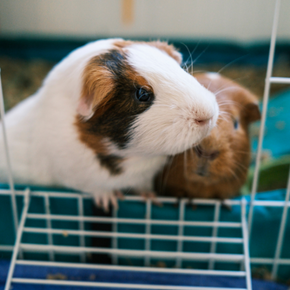
How to safely transport guinea pigs
June 21, 2022
Guinea pigs, like all small furries, are not natural travellers. Taking them away from home can be stressful for everyone. So, if you need to get your guinea pig from A to B this summer, why not follow our Vet Caroline’s advice on minimising stress and maximising the chances of a successful trip for you and your pets?
Caroline’s Small Furry travel tick list:
1.Get a suitable pet carrier
Your furry pal is going to need a place to rest, hide, and maybe even play. Get a highly rated pet carrier and make sure it’s big enough for them to move around in, but small enough so they don’t get thrown around. It’s got to be chew proof too.
2. Get them used to it
Don’t wait until the day and just put them in and go. Your pets will be much less stressed if you get them used to their travel carrier by letting them play around in it for a week or two before you travel. You could also start with short journeys around the block to see how they handle it and if you need to make any changes to their setup.
3. Plan ahead
Before you travel, have a think about the trip. Do you have enough food & water? Can you travel at a cooler/quieter time of day? How will you clean up any mess? Can you take a route that doesn’t have speed bumps or involve a fast road? Taking a few minutes to think these things through will make the trip less stressful.
4. Stick together
If your pet has a pal, then make sure you take them both on the journey. They will naturally lend each other support.
5. Taking your pet on public transport
If you’re planning on using public transport, first check their rules of carriage, then do a few practice-runs at quiet times. Finally, make sure you travel when it’s cool.
There you go, for the very few times you’ll be moving your guinea pig, you now have all the basic info you need to make the journey less stressful for everyone.
The advice above is good for most small furries. However, if you do feel like you need species specific advice, please call our team at STAR Vets on 01530 270 170 and we can talk through your pet’s specific needs.
How to choose the best cat sitter or cattery in Derbyshire
June 14, 2022
After two years of summer ‘staycations’, this year we’re expecting a lot of people to be considering longer holidays away from home. For cat owners, this raises the age-old challenge of how to look after their cat during the holidays.
As you basically have three options – live-in care, day visits, or using a cattery – we thought we’d ask the nursing team at STAR Vet Clinic to offer a few tips on what to look out for, depending on the option you choose. If you’re opting for a cattery, and you don’t already know your cat’s vaccination status, call us to check.
Whichever cat holiday care option you decide on, you should make arrangements early to give yourself the best chance of finding the perfect solution for your cat. Use our cat holiday checklists below to help with your research.
Cat sitting services in Derbyshire
Daily visits can be made by a neighbour or professional pet sitter. Live-in care is similar, but your cat will benefit from company and can live almost as normal. Check with the sitter to ensure they offer:
- Regular visits/interaction: Cats should be visited or played with at least twice daily so make sure this is agreed and your cat sitter is up for it
- Meals: The volume and routine should ideally be the same as if you were at home
- Water: Fresh water must always be available
- Litter: Cat litter trays should be cleaned twice daily, especially during warm weather
Choosing a responsible cat sitter
You’ll feel much more reassured while you’re away if you know that someone with knowledge and experience is looking after your cat. Our vet nurse, Lara, says you should check:
- References: If it isn’t someone you know, get contact details for some of their clients
- Knowledge: Ask if they can spot signs of ill health and deal with specific issues
- Skills: If your cat needs regular medication, ensure they can administer it
- Quality time: The person should be happy to offer adequate companionship
- Insurance: If your sitter is a professional, they should be insured, so check their docs
Catteries in Derbyshire
If you’re going for the cattery option, then personal recommendation and a pre-stay visit to check the place out is a must. When you visit, talk to the staff and get a feel for how they will take care of your cat. They should be welcoming, ask plenty of questions about your cat, and allow you to have a good look around the cattery. When viewing the facilities, you should check:
- The general cleanliness of the units, litter trays, and feeding bowls
- Ask yourself if the cats look happy, content, and adequately stimulated
- Check indoor and secure outdoor areas for your cat to exercise (if they need both)
- Look for adequate ventilation and ensure the accommodation has a working smoke alarm
- Check for any obvious escape routes and raise them with the staff
Finally, properly run and licensed catteries should insist on seeing an up-to-date vaccination card, showing recent vaccinations against cat flu and enteritis. If they do not, go somewhere else.
Reasons to microchip your cat besides the new UK law
May 14, 2022
You have probably heard the old saying about cats and curiosity being a dangerous combination, so how do you give them any kind of safety net as they embark on a life of adventure? Identification, that’s how.
June is National Microchipping Month, so whether you have an indoor or outdoor cat, read on to discover why all cats in Derbyshire need a microchip, by law, in 2022.
Find your lost cat
While some cats probably shudder at the thought of leaving their favourite sofa, let alone the back garden, other cats can wander for miles. What all cats have in common though, is the ability to get picked up by a helpful passer-by or an animal warden for looking lost and taken to a veterinary practice or rescue centre.
Most cats don’t wear a collar and ID tag so without any form of identification, reuniting the two of you could be impossible. When the owner cannot be found, cats are typically put up for rehoming.
The team at STAR Vets recommend cat microchipping as the best way of ensuring your feline friend can be quickly reunited with you. Contact us to book a cat microchip appointment.
New cat microchip law UK
‘Lost & found’ isn’t the only reason our Appleby Magna veterinary team recommend cat microchipping.
DEFRA (Department for Environment, Food and Rural Affairs) has announced that cat microchipping will become compulsory in the UK in 2022 as part of a larger animal welfare action plan. The move is aimed at making more cats identifiable, in turn helping with issues such as cat thefts, strays, and deceased cats left by the road following traffic accidents.
This new law, which will carry a fine of £500 for non-compliance, is welcomed by many cat charities including Cats Matter and Cats Protection.
As part of the legislative changes, all cats over 20 weeks of age (unless there is an animal health or welfare reason certified by a Vet) must be microchipped by law. This coincides with the typical age kittens can be neutered from, so both procedures can be done by our team here at STAR Vets before your kitten ventures outside. If your cat is already neutered, microchipping only takes a few minutes. Call us for more information on 01530 270 170.
What does cat microchipping involve?
Microchips are tiny electronic devices, no bigger than a grain of rice, which are injected under the skin on the back of a cat’s neck. The procedure is quick and perfectly safe.
Your cat’s microchip carries your unique registration number, which links to a database where all your contact information is stored. One of our Appleby Magna veterinary surgeons or nurses, and staff at some animal shelters, can scan the microchip and access the database to get your details.
It is likely to also be an offence to not keep your contact details up to date on the database, as it is with dogs. And why wouldn’t you? Out of date contact details are no use to your cat!
Don’t delay, book your cat’s microchipping today
At STAR Vets, we recommend that owners get ahead of this new law and get their cat microchipped as soon as possible. The unthinkable could happen today and a microchip could make all the difference in reuniting you with your cat.

A rabbit microchip? Appleby Magna Vets have this advice
May 7, 2022
You are probably familiar with dogs and cats being microchipped, but what about rabbits? With it being National Microchipping Month in June, our Appleby Magna veterinary team are here to tell you everything you need to know about microchipping rabbits.
Contact us about rabbit microchipping
Is your rabbit secure in your home and garden? You would hope so, but rabbits are inquisitive creatures and their curiosity can get them into trouble.
What would you do if your rabbit got lost? Rabbits do not typically wear a collar & ID tag so with no identification, anyone finding your pet would not know who or where to return them to. This is why microchipping rabbits is a good idea.
What is rabbit microchipping?
Microchips are tiny electronic devices that contain all the data needed to trace you if someone finds your lost pet. A microchip is about the same size as a grain of rice. It is implanted just under the skin (usually between the shoulder blades) via an injection. Microchips are designed to last for life and should cause no bother to your pet. If an animal is deemed large enough, our team at STAR Vet Clinic can microchip them – ask us about microchipping your rabbit.
How is microchipping helpful?
A microchip stores a unique code, which is matched to the owner’s details on a central online database. STAR Vets and other veterinary practices, as well as some animal rescue centres, have special microchip scanners to reveal the code. If you do not keep your contact details up to date on the central database, it may not be possible to reunite you with your rabbit.
Benefits of rabbit microchipping
Microchipping is currently the most effective way to reunite pets with their owners if they are brought into a vet practice or animal shelter without an ID tag – this could be due to a successful escape attempt or if a stolen pet is recovered. With no way to identify the owner, pets are typically put up for rehoming.
Pet theft isn’t just a dog and cat owner issue. Since the start of COVID, pet thefts across a variety of species have risen. In 2021, Darius – the world’s largest rabbit – was stolen from his garden hutch in Worcestershire. Read the BBC news story about Darius here.
The Government Department of Environmental Food and Rural Affairs (DEFRA) published a Pet Theft Taskforce policy paper in September last year, which outlined measures being taken to tackle the rising number of pet thefts. One of the proposed measures is to have vet practicesscan all new pets at their first appointment. You can read the full DEFRA report here.
The bottom line is, without any form of identification, pets have little to no chance of being reunited with their owners should the worst happen. Rabbit microchipping is a low-cost, simple way to give your pet rabbit a traceable form of identification and give you peace of mind.

Why all dog owners in Derbyshire need a pet first aid kit
April 21, 2022
Preparation can mean the difference between life and death in first aid scenarios, according to our Vet, Caroline Ward. This is why the team at STAR Vets are recommending that all dog owners in Derbyshire get themselves a pet first aid kit.
First though, check out our First Aid Tips for Dog Adventures – a guide to recognising conditions that need first aid and immediate veterinary care. Download it via the button below and save it on your phone. You could share it with friends & family by email or on Facebook too.
Download our Dog First Aid Guide
Whilst as owners we should aim to get our pet veterinary care as quickly as possible in an emergency, there are often scenarios where this is problematic. Imagine that your location or circumstances prevent you from getting to the clinic quickly, or your dog’s injury is life threatening and needs an interim measure to protect them before they can travel.
Caroline advises that having a pet first aid kit to hand is crucial in being able to offer vital support when it is needed most. It also gives you piece of mind that you have the tools available to help your pet in the first instance.
Pet first aid supplies – what should your kit contain?
There are many different types of pet first aid kits. How comprehensive yours need to be will depend on what you are doing or where you are. If you are fairly local, you may carry a smaller kit compared to being on a holiday away from local amenities.
Useful pet first aid supplies include:
- Bandages – different types (first aid courses can teach how to bandage properly)
- Blunt-ended scissors
- Wound wash – saline preferable
- Cotton wool
- Tweezers
- Tick removal tools
- Wound dressing
- Self-adhesive tape
- Vinyl gloves / alcohol gel for sanitising hands
- Foil blanket
- Thermometer
- Antiseptic wipes
- A blanket to use as a stretcher
- Any medication your pet receives
- Details for your local Vets – here are ours
- Details for local vets for the area you are visiting
Having this equipment to hand means you are well prepared for the most common emergencies – download our dog first aid tips to learn what these might be.
Why some of the above items are so important
Caroline explains that different types of bandages can help to stop bleeds, slow down blood loss, or protect a wound whilst transporting your pet. Tweezers can help you remove thorns or stings; never remove any big items that could be going through an artery, and use a special tick removal tool for dog ticks. Gloves and alcohol gel will help to ensure you are clean when cleaning wounds with the saline.
When it comes to blankets, Caroline shares why you need two types in your pet first aid kit. Foil blankets are useful for helping to keep your pet warm and preventing shock after a trauma. Using a blanket as a stretcher is also very important for any injuries to the spine or limbs. If you can carry your pet on a stretcher, they will be more supported and comfortable then carrying them in your arms.
Keeping details of both your Vet practice and a local Vet if you adventuring far from home, will mean you are not frantically searching for the details of an emergency Vet.
Learn your DR ABCS
Whenever faced with an emergency always remember DR ABCS:
- Danger – keep safe from the environment or your pet; a scared dog or any other animal may lash out
- Response – check if your dog is responsive by calling their name
- Airway – is their airway clear?
- Breathing – are they breathing?
- Circulation – do they have a pulse or heartbeat?
- Send – send someone to go and find help
Always ensure wherever you go, no matter how close to home you are, that you carry your pet first aid kit. Also, remember to replace items you have used – there is nothing worse than needing something in an emergency and it not being in your kit!
Caroline’s final piece of advice for dog owners in Derbyshire, is to learn how to recognise common dog health emergencies – download & share our helpful guide below.

Life-threatening guinea pig health problems & advice
April 14, 2022
Like any pet, guinea pigs can have health problems that require urgent veterinary attention. As part of National Pet Month, which promotes responsible pet ownership, the clinical team at STAR Vets have put together a list of emergency conditions and lifesaving advice for guinea pig owners.
This is not a comprehensive list; it is better to err on the side of caution and phone our Appleby Magna veterinary surgery for advice if you notice anything of concern with your guinea pig. Any non-descript symptoms such as lethargy, depression, and a decrease in appetite should always be acted on.
Call us if you need us on 01530 270 170.
See our location & contact information
Life-threatening guinea pig health problems
Gut Stasis
Gut stasis in guinea pigs is a very serious, life-threatening condition caused by other stressful or painful conditions. Common factors include a sudden change in diet or a lack of fibre, an obstruction in the gut, dental disease, traumatic injury, dehydration, boredom, or loneliness. The gut comes to a standstill and the normal passage of food through the gut does not occur.
Symptoms of gut statis include not eating, passing less or no droppings, a bloated or painful abdomen and not wanting to move. This list is not exhaustive, so you should phone our veterinary surgery straight away if you have any concerns on 01530 270 170. Treatment can include medication to help the gut to move again (unless there is an obstruction in the gut), often pain relief too, alongside fluid therapy and syringe feeding. While this can help to get the gut moving again, any underlying health problems that contributed to the gut stasis will need to be addressed.
Respiratory problems
If you notice your guinea pig has breathing problems, you should phone our Appleby Magna surgery immediately. They might be breathing more quickly or more laboriously than usual, possibly alongside a discharge from their nose, sneezing, a loss of appetite, and lethargy (amongst other symptoms). Our Vets will carry out a clinical examination and may do further diagnostic tests. There are several things that can cause respiratory problems in guinea pigs including pneumonia, which can be fatal, so early diagnosis and treatment are vital.
Trauma
Like any pet, guinea pigs can suffer from injuries due to trauma. The cause of trauma can be unknown, or due to falling, being dropped by accident when handled, fighting with other guinea pigs, or attacks from larger pets. If you witness any trauma occurring, or you see any signs of injury such as wounds or lameness, you will need prompt guinea pig health care from our Vets – contact us.
Birth
If you have a female guinea pig that you know to be pregnant, or think may be pregnant, it is advisable to monitor her carefully throughout the pregnancy – especially when she is close to giving birth. This is particularly true if she is over seven months of age and has not given birth previously; her pubic symphysis will have fused and so the birth canal will be too narrow for a natural birth. Therefore, a C-section will be needed to ensure the safety of your guinea pig and her pups. There are other potential complications with giving birth so it would be prudent to have a conversation with one of our Vets in advance about what to look out for.
As we mentioned earlier, this is not an exhaustive list of guinea pig health problems and like any pet, acute illnesses can occur at any time – poisoning from plants or food is definitely one to watch out for. The best advice that STAR Vets’ clinical team can give guinea pig owners, is to stay vigilant and if you notice anything unusual or concerning, call us.
Call us on 01530 270 170.
Caroline Ward shares tips for emergency cat health problems
April 7, 2022
Cats are very inquisitive creatures and often get themselves into trouble as a result. Head Vet Caroline Ward and the team at STAR Vet Clinic know this only too well having seen many cat emergencies over the years.
It is always better to be prepared for cat emergencies – pop our number in your phone if you don’t have it already. You may want to give it to your neighbours, family, friends, and your holiday cat sitter too if you have one.
Here’s our number: 01530 270 170
See all our contact information
Dealing with Common Cat Emergencies
According to Caroline, some of the most common cat emergencies include:
- Road traffic accidents
- Wounds / bleeding
- Broken bones
- Burns
- Poisoning
- Seizures
- Heatstroke
- Stings
Below is some more information on each cat health problem and what you need to do in the event of an accident.
Cats and road traffic accidents
With many cats spending lots of time outdoors in Derbyshire, road traffic accidents are always a possibility. Injuries can range from a gentle knock that gives the cat a mild concussion, to more severe broken bones, wounds, or impact to their organs. It is important to ensure that you follow DR ABC’S advice;
- Danger – ensure it is safe for you and the animal before you assist them
- Response – check if they are responsive to you talking
- Airway – is their airway clear?
- Breathing – are they breathing?
- Circulation – do they have a pulse or heartbeat?
- Send – get someone to find help
If there is an obvious bleed, you can use clean material and pressure to slow blood loss – read more about this below. Never try to ‘set’ or straighten a broken bone yourself. It is important that any cat suspected of being hit by a vehicle is checked over by a Vet to ensure there is no internal damage or risk of shock from the trauma. Call STAR Vets on 01530 270 170.
Blood loss
Wounds or any bleeds should be treated as a first-aid measure to reduce the amount of blood loss. If they are bleeding use a wound pad, a clean towel, or bandaging to press on the wound to help reduce the amount of blood loss and get them to a Vet straight away. Contact your Vet first to let them prepare for your cat’s arrival and injury needs.
Burns
Burns often occur when cats jump onto hot cooking surfaces; they can also come from freshly tarred roads, surfaces treated with bleach or other chemicals, electrical sources, or being scalded by hot liquids. If your cat has a burn (not chemical), run cold water over it for a minimum of 5 minutes before getting them to the Vet – try placing a damp cloth over the burn and adding cold water, or immersing the burned area in cold water – be careful as most cats don’t like water. Do not apply any creams to the burn and ensure your cat is kept warm and calm to avoid shock. For chemical burns, wear gloves, goggles, and other safety gear and contact our Vets for first aid advice.
Cat poisoning
There are many different poisons that can harm cats with some of the most common being antifreeze, rat poison, paracetamol, and lily plants. If your cat has potentially been poisoned move the item away from them immediately. Always call your Vet straight away and be ready to take your cat there quickly so that treatment can commence without haste. Do not try to make your cat sick as this can make things worse. If they have rolled in something such as oil or have lily pollen on their fur, put a buster collar or shirt over them so that they can’t lick and ingest the poison and try to wipe it off with a damp cloth.
Seizures
Cats can have seizures for many different reasons. If you ever see your cat having a seizure do not pick them up or put anything over the top of them. Turn off any stimulants such as TVs or Radios. Make the room dark and remove anything they may hurt themselves on. Time the seizure and contact our Veterinary team.
Heatstroke and your cat
Heatstroke is common in the summer months, particularly if your cat has managed to become trapped somewhere it is very hot, like a shed or greenhouse. If they are exposed to intense prolonged heat use tepid running water to help cool them down. Do not put any damp towels over them, keep them in a cool area, ensure they have access to plenty of water, and phone the Vet – 01530 270 170.
Treating insect stings
Again, because of cats’ inquisitive nature, they often end up getting stung. If this has happened, pull (or scrape using a credit card) the sting out and apply either bicarbonate of soda to a bee sting or diluted vinegar to a wasp sting. The area may be very swollen and inflamed so apply an ice pack. If the sting is anywhere near your cat’s eyes, mouth, or throat contact our Vets as any swelling here could potentially close airways.
You will never stop cats from being adventurous and unfortunately, having accidents. Our Vet Caroline recommends the best thing you can do is to be prepared – know how to apply basic first aid techniques as described above and always have our number to hand.
Call us in an emergency on 01530 270 170.

Garden plants safe for rabbits & spring hazards to avoid
March 21, 2022
The winter months are behind us which means the spring gardening season is here. Many rabbits will be out in the garden enjoying a potter but with all the green growth, it is important to be aware of plants and other items that could cause harm. Our Appleby Magna Vets have put together this advice for rabbit owners.
Please share this article on your social media profiles to help other rabbit owners know what hazards are lurking in the garden for their pets this season.
Garden safety for your rabbits
Bunnies love to hop around, but did you know that not everything in the garden is safe for these small pets? Discover what you need to look out for so you can create a safe haven for your rabbits.
Predators
Rabbits have many natural enemies, and sadly it is common for a rabbit to be attacked and seriously injured or killed. Wild predators include foxes, owls, birds of prey, and even seagulls will have a go. Closer to home, your cat, dog, or neighbouring pets can be a threat to your bunnies too.
Garden hazards
In the garden, most of the danger to rabbits comes from manmade hazards. Using common sense will reduce the risks. Rabbit-proof your garden by making sure they can’t escape, injure themselves, get trapped somewhere, or access anything harmful.
Plants toxic to rabbits
Speaking of harmful, keep your bunnies hoppy and healthy by safe gardening. There are many great resources out there to help you determine which plants can’t be eaten. Some of the most dangerous include Azalea, Bittersweet, Buttercups, Daffodils, Deadly Nightshade, Figwort, Foxglove, Hemlock, Meadow Saffron, Poppies, Ragwort, and Rhubarb.
If your rabbits have eaten something dangerous, give our Appleby Magna Vets a call straight away on 01530 270 170.
Grass cuttings
Pottering in the garden and chewing on grass is every rabbit’s dream. If your lawn has been recently mowed, make sure your rabbits can’t eat the grass cuttings as these can be extremely harmful.
Vegetables & garden plants safe for rabbits
Rabbits love carrot tops, kale, and broccoli, but if you plant too much and leave your pets unattended, they may eat all the plants in sight. Same goes for roses, pansies, pot marigolds, and sunflowers if you are planting these for the summer months ahead. You might be pleased to know that rabbits can eat clover, daisies, dandelions, and nettles, so if your garden is looking a little ‘weedy’, you can always put your bunnies to work.
A rabbit run
Time outdoors is extremely beneficial to your rabbits’ wellbeing and helps them get the vitamin D (from the sun) they need to aid their digestion. To avoid many of the dangers above, Vet Caroline Ward, recommends the best course of action is to exercise your rabbit outdoors in a large, predator-proof enclosed run.
Constant monitoring
If you are giving your rabbit freedom to roam in the garden, it is wise to monitor them constantly advises Caroline. Accidents can happen quickly, and predators can strike more easily if you are not there.
We hope you found our Appleby Magna Vets’ advice helpful and can enjoy a danger-free spring season and beyond. As always, we are here if you would like more advice, just get in touch.
We are here for your rabbit emergencies too, just call 01530 270 170.
You can share this advice with your rabbit-loving friends by sharing the link by email, WhatsApp, Messenger, or on your Facebook profile or Twitter stream.

How to pet-proof spring gardens in Derbyshire
March 14, 2022
Spring is the ideal time to spruce up your garden after a gloomy winter. It is also your chance to garden with your pets in mind, so you can have a pet-friendly space all year round.
The team at STAR Vet Clinic have collated some important ideas below to help Derbyshire pet owners make their garden a safe space for their four-legged friends. With our no-fuss guide, you can pet-proof your garden and keep your dogs, cats, or rabbits happy and healthy all year long.
Plants are an integral part of many gardens but some can be harmful, even deadly. Our Appleby Magna Vets have also put together this helpful guide to highlight the signs to look out for, what to do if you suspect poisoning, and common toxic plants. You can download our guide here:
Pet-proofing your garden is mostly about making it safe for exploration. Look at your garden as a whole and imagine your pet exploring it. Remember, animals are curious and mostly led by smell, so if your dog, cat, or rabbit can physically reach somewhere, it is not ‘off limits’ to them.
Below is a comprehensive list of ways to make your garden safe. Adopting these strategies to pet-proof your garden now will make life easier later and ensure your pets have a safe outdoor space to enjoy all year long.
How to pet proof your garden
STAR Vets’ team suggests your to-do-list should include:
- Pet proof your garden fence and fix any gaps in boundaries where your pet could escape through.
- Get rid of broken bottles, sharp stones, and other obvious hazards.
- Tidy away tools and anything you do not want your pet ‘playing’ with or nibbling.
- Relocate or reorganise piles of bricks or wood so they can’t topple over.
- Make places your pet could get trapped inside or under inaccessible and close shed doors.
- Fence off areas your pet could fall from and any bodies of water.
- Put harmful substances on high shelves and behind cupboard doors.
- Choose pet-safe plants and remove toxic plants for pets – remember that parts of plants can be spread throughout your garden by wildlife and wind.
- Remove/relocate bulbs that could harm pets – cover soil in netting so pets can’t dig them up.
- Grow vegetables in raised beds – put netting over to keep out curious paws and noses.
- Only use pet-safe products to repel insects, slugs, and snails.
- Don’t leave pet bowls and toys out overnight – slugs/snails can cause lungworm in dogs.
- Lawns: beware as grass seeds can get lodged in eyes and cut grass is toxic when eaten.
- Clean up any animal faeces (not just your pet’s) to avoid your pet eating it and becoming unwell or potentially contracting worms.
- Remember that wildlife frequents your garden too and may drop food that contains bones, raw meat, raisons, or other toxic ingredients – check your garden before letting your pet out.
- And finally, monitor your pet’s time outside. Head Vet Caroline Ward cannot stress this enough – accidents and escape attempts can happen fast.
If you have followed this list, your garden should be a safe and happy place for your pet to hang out in. You could go a step further by creating dedicated areas in your garden for digging, playing, relaxing, and toileting of course, maybe even connected by a pet-friendly garden path. This creates a harmonious outdoor space that works for you and your pets.
Remember to download our Pet Plant Poisons Guide below. Also, why not share our article on pet-proofing your garden with your pet-loving friends and family on Facebook or email?


