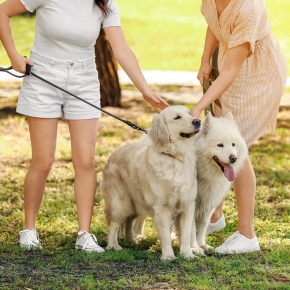
Avoid puppy season ‘accidents’ with STAR Vets’ dog neutering advice
February 7, 2024
Spring marks the beginning of a beautiful season in Derbyshire. It also marks the onset of ‘puppy season’ when the attraction between unneutered male and female dogs will undoubtedly ramp up.
Unplanned litters can be a challenging responsibility. That’s why dog neutering is a crucial step to prevent these. In this article, our Vet Caroline Ward will explore the reasons why dog neutering is essential for responsible pet ownership and the wellbeing of our furry friends.
Call STAR Vets on 01530 270 170 to chat about dog neutering appointments available at our Atherstone Road location.
Book a dog neutering consultation
Preventing unplanned litters
Spring is a time when dogs are more likely to roam in search of mates. This increases the chances of pregnancies, which can lead to a number of issues for owners of female dogs, as well as overcrowded animal shelters and homeless puppies (mostly) from strays. To help reduce the influx of spring puppies, Vet Caroline Ward says being proactive with neutering will actively contribute to reducing the strain on animal shelters and charities across Derbyshire.
Health benefits for dogs
Neutering can provide several health benefits for dogs. Caroline advises that it can help to reduce the risk of certain reproductive cancers and eliminates the possibility of uterine infections in females. Neutered males are less likely to roam, reducing their risk of accidents and injuries and becoming separated from you. Contact us to book a neutering consultation.
Behavioural improvements for dogs
Neutering can also lead to positive changes in your dog’s behaviour, according to Caroline. It can often reduce territorial marking, aggression, and the desire to roam. This can result in a happier, more well-adjusted pet. Also, without having to worry about pregnancies or mating behaviours, you can provide better daily care and attention to your pet. Being ‘in season’ and phantom pregnancies are no fun for pet or owner.
Financial & health problems
Unplanned litters can lead to unexpected financial burdens, including giving them the best puppy nutrition – ask our team about this. Plus, you will need to ensure they are in good health to be adopted by a new a family, and you will have to carry out the correct research to find their perfect homes. This can be a strain on finances and time. Neutering your dog is a cost-effective way to avoid these unexpected expenses and potential health problems for your female dog during the birth.
In conclusion, neutering your dog is an essential aspect of responsible pet ownership, and it becomes even more critical during puppy season. So as spring arrives, STAR Vets is asking owners to consider the benefits of dog neutering and to play their part in creating a better future for our four-legged friends. Contact us on 01530 270 170 to discuss dog neutering today.

Winter paw care: protect dogs in from road salt
January 21, 2024
As winter coats the roads of Derbyshire with ice, you will often see the flashing orange lights of salt spreaders out and about to make the roads safe. You will also likely see salt being spread on pavements and car parks for the same reason, however, some of it can be difficult to spot.
While this solution is effective for human safety, it poses a hidden danger to our four-legged friends. Road salt, or rock salt, may keep roads and pavements clear and preventing slipping, but its impact on dogs can be quite hazardous.
Contact STAR Vet Clinic on 01530 270 170 if you have any concerns about your dog’s health.
What is road salt?
Road salt is typically composed of sodium chloride, calcium chloride, or magnesium chloride. It is used to lower the freezing point of water. When sprinkled on icy roads and paths, it prevents the formation of ice and helps make surfaces safer for vehicles and walkers.
The dangers of road salt for dogs
Paw irritation & dehydration
According to our vet Caroline Ward, the most immediate risk for dogs is the irritation road salt can cause to their paws. When dogs walk on salted surfaces, their paw pads can become cracked, dry, and painful. This can lead to discomfort, limping, and difficulty walking.
Road salt is a desiccant, which means it can absorb moisture from a dog’s paws and skin. Extended contact with road salt can lead to dehydration and skin issues.
Oral ingestion
Dogs are known for their inquisitive nature and may lick or chew their paws after walking on salted surfaces. In doing so, they can ingest road salt, which is toxic to dogs when consumed in significant quantities causing:
a) Digestive issues
Ingesting road salt can lead to gastrointestinal upset in dogs. Symptoms may include vomiting, diarrhoea, drooling, and abdominal pain.
b) Salt toxicity
Caroline stresses that the most severe risk is salt toxicity, which can occur if a dog consumes a large amount of road salt. This can lead to symptoms such as excessive thirst, tremors, seizures, and, in severe cases, even death.
How to prevent road salt related issues
- Protective Paw Balm: Caroline suggests considering using a paw balm or wax to create a protective barrier on your dog’s paw pads before going outside.
- Booties: Dog booties provide excellent protection from road salt, keeping paws dry and safe.
- Avoid Salted Areas: Whenever possible, avoid walking your dog on salted surfaces. Choose areas with minimal salt use.
- Wipe Paws: After walks, wipe your dog’s paws with a damp cloth to remove salt and prevent ingestion.
- Indoor Rinsing: Rinse your dog’s paws with warm water when returning home to remove salt residue.
- Pet-Friendly Salt: If you need to use salt on your property, choose pet-friendly, non-toxic alternatives.
- Supervision: Always supervise your dog when they’re outside, especially around areas treated with road salt.
In conclusion, road salt is essential for human safety during winter but it poses several risks to dogs in Derbyshire. By taking proactive measures to protect your dog’s paws and avoid salted areas, you can ensure their safety and wellbeing during the winter months. Remember that Caroline and the team at STAR Vet Clinic recommend that a little extra care can go a long way in keeping your furry companion healthy and happy.

Vet Caroline shares advice on helping your dog deal with moving house
December 14, 2023
A house move is a big change for the whole family to process. The team at STAR Vets understand that this is often a stressful and turbulent time, but Veterinary Surgeon Caroline Ward is urging dog owners to not forget how their pets could be coping with the upheaval.
To help dog owners in Derbyshire with a house move, Caroline and our veterinary team at STAR Vets have put together advice on how your canine companion can learn to accept a house move. This will make the process a lot smoother for owners and their dogs. Our experienced team of dog vets are available to advise on an individual basis too, just book an appointment ahead of the big day.
Why not share this article with friends and family that might be moving house soon? Copy the URL or use the social sharing buttons in this article.
1. Keeping to your dog’s routine
Our Appleby Magna team know that most dogs and their owner have a daily routine. This may fluctuate slightly, but on the whole, it is highly likely your dog is fed, walked, played with and cuddled at a similar time every day.
As you are moving house, it will help your dog to adjust if you stick closely to this routine. Your behaviour and feelings will also have an impact on your dog’s stress levels. Trying to remain calm will in turn help your dog to react and behave as normal.
If you have the option of introducing them to your new home beforehand, it could help them to settle in more quickly. If not, then try to take them on some new local walks to get them used to the neighbourhood.
2. Your old home
Packing your home up into cardboard boxes can often be emotional and time consuming. Especially if there is a dog ‘trying to help’!
Vet Caroline Ward recommends packing gradually so your dog will get used to the changes in their living environment over time. Also, keep their bedding and toys out for as long as possible. These familiar belongings will help to provide them comfort if their old home is starting to look a little different in the run up to the move.
3. Moving day
Once you arrive at the new house, you need to ensure your dog is safe and secure as your belongings are unloaded. If possible, set up a safe space in your new house immediately for your dog. Use their normal bed, blankets, toys and bowls and work on positive associations. The scents of their items will help to make them feel at ease in an unfamiliar environment. You will need to be patient with your dog during this transition period. Work on establishing their routine in the new home and stick to it as closely as possible in the beginning.
4. After you have moved in
There will undoubtedly be a lot of administration to complete once you have officially moved into your new home. On this list, make sure you include updating your pet’s microchip details and also updating your account details here at STAR Vets.
Caroline believes that if you follow the guidance set out in this article, you are providing your dog with the best chance to become happy and settled in their new home as quickly as possible. If your dog suffers from anxiety, or you are concerned that a house move could affect them more seriously, contact us so we can help you make a plan.

5 common canine conditions we treat in winter at STAR Vets
November 14, 2023
Our veterinary team at STAR Vet Clinic will often see recurring cases of a handful of winter dog health conditions, once the temperature starts to drop in Derbyshire. To educate owners and help them spot the symptoms of these winter health conditions in their dog, our Veterinary Surgeon Caroline Ward has listed the five most common ailments we treat and how best to avoid them.
Share this article with other dog owners and download our Winter Warmer Guide for Dogs – a useful reference to keep on your phone this winter.
Download our Winter Warmer Guide for Dogs
Five common health conditions we treat in winter
1. Respiratory infections
Over winter, many dogs in Derbyshire will be spending more time in indoor locations due to the uncertain weather. This increase of indoor time and proximity to other dogs can lead to a spread of respiratory infections. Typical symptoms to look out for include sneezing, coughing and laboured breathing. Vet Caroline Ward wants owners to know that respiratory infections will often require a course of antibiotic treatment and other supportive management to resolve the infection.
Kennel Cough (Canine infectious respiratory disease) is one of the most common types of respiratory infections that affects all breeds and all ages, but can be particularly nasty for young, old, and unwell dogs. Kennel cough can be picked up anywhere that is frequented by other dogs, not just in kennels, and the best form of protection is an annual kennel cough vaccination.
Contact us to book a kennel cough vaccination at our Appleby Magna practice.
2. Salt and chemical exposure
When the temperature drops enough for it to become icy, it is important owners understand that exposure to the salt or antifreeze used to melt both ice and snow can be toxic to dogs.
At STAR Vets we often see cases where a dog has walked on a path which has been thawed using salt. They will then lick their paws, ingesting the salt and can become very sick. Look out for vomiting, diarrhoea and skin irritation and get into the habit of washing your dog’s paws and tummy with warm water following a walk. Also, maybe try to stick with the old-fashioned ice scraping method when it comes to defrosting your car as antifreeze is extremely poisonous for dogs (and cats).
3. Hypothermia
Many dog breeds have adapted to winter weather. For example, winter in Derbyshire is usually child’s play for huskies and Alaskan malamutes. But the finer breeds, and those bred typically for hotter climates, will struggle in the colder temperatures. Caroline advises that hypothermia often occurs in dogs when their fur becomes wet, or they are exposed to cold temperatures for a long period of time. Symptoms of hypothermia in dogs include shivering, lethargy, and difficulty walking.
Hypothermia is extremely dangerous for dogs; if it isn’t treated promptly, it can cause the whole body to shut down, which is life-threatening.
If you notice any of the symptoms above, bring your dog inside and wrap them in a blanket – dry them first if they are wet. Contact us on 01530 270 170 and then start to warm your dog up slowly, perhaps near a fire or using a heating pad. Our experienced team of Appleby Magna dog vets will be able to triage whilst a plan is put in place.
Get our Winter Warmer Guide for Dogs
4. Frostbite
Caroline explains that frostbite occurs on dogs when they are exposed to cold temperatures for too long and the skin and tissue layers underneath can freeze. This is particularly common during winter in dogs with thin fur and exposed skin; symptoms include swelling and discolouration of the skin. Areas to monitor are the tips of the ears, tip of the tail and their paws. STAR Vets will treat frostbite by slowly warming the affected area but care must be taken to not further damage the tissue.
If you suspect your dog may have frostbite, contact us straight away on 01530 270 170.
5. Foreign body ingestion and toxicity
With winter comes the Christmas and New Year festivities. Vet Caroline knows this is a common time for alcohol and chocolate to be readily available in homes but urges owners to keep this out of reach of dogs (and other pets). Both chocolate and alcohol are toxic to dogs and cause severe poisoning. Look out for symptoms such as vomiting, diarrhoea, increased thirst, panting, restlessness, excessive urination, and a very high heart rate. Contact us immediately if you suspect your dog has ingested a toxic substance.
Christmas decorations can also be tempting for dogs to play with, often accidentally swallowing them. This may lead to emergency surgery so take extra care to only use appropriate decorations and monitor your dog to keep them safe.
Pre-winter health check
We recommend booking your dog in with our team for a thorough health check ahead of the colder weather so we can rule out any new underlying health conditions that could become painful for your pet.
The cold can often exacerbate a dog’s suffering caused by arthritis and joint pain. This will make exercising uncomfortable for your dog. Icy paths and muddy/snowy walks can be difficult for any dog to navigate, especially if they are struggling with a joint condition, and can result in injuries. The temperature can also increase viral infections so it’s worth ensuring your dog is up to date with their booster vaccinations – book now.
This pre-winter health check can help to ensure your pet is going into the cold festive season fighting fit and may help to identify health conditions that need treatment sooner rather than later. Contact us on 01530 270 170 to book a health check for your dog, or book online, and don’t forget to download our helpful guide below.

STAR Vets helps owners understand firework-driven noise phobias in dogs
October 21, 2023
With firework season well underway, this often-stressful time may be useful in working out if your dog could have a noise phobia. Our team of dog loving vets at STAR Vets want owners to be aware that there is a fine line between a normal fear response and a noise phobia, that can vary between animals. Read Veterinary Surgeon Caroline’s advice and talk to us about your dog’s reaction to fireworks.
How do I know if my dog has a noise phobia?
Veterinary Surgeon Caroline Ward wants Derbyshire dog owners to know that it is perfectly natural, if unsettling, for your dog to be scared of fireworks due to the sudden loud noises they create. However, your dog may have an actual phobia of noise if their fear response becomes excessive. Some signs to look for are:
- Physical signs of stress, such as pacing, trembling or drooling
- Attempting to hide or seek out a safe space during the event
- Changes in habits – such as a change in appetite or going to the toilet in the house
- Persistent fear and anxiety long after the event has ended
- Destructive behaviour
- Attempting to escape – this could lead to injury
- Extreme fear and panic during firework displays, even if they are barely audible and distant
Help your pet cope with their noise phobia
Whilst firework displays are usually limited to certain times of year, if your dog’s noise phobia starts to affect them in their everyday life it is essential you contact STAR Vets for help. If household noises or television noises starts to worry them, it can impact their quality of life. Early intervention and appropriate management strategies can help to keep them happy and feeling safe so book an appointment at our Appleby Magna surgery for your dog.

Canine arthritis – age, causes, symptoms and treatment for Derbyshire dogs
September 14, 2023
Although most common in senior dogs, did you know that canine arthritis can affect dogs of all ages?
STAR Vets’ team of experienced veterinary surgeons treat pets with arthritis every week and have put together this guide to help pet owners understand when they should intervene with veterinary attention.
Take our canine health assessment to see if your dog may be suffering from arthritis.
Could your dog have arthritis? Find out here
We’re also highlighting that September is Pet Pain Awareness Month and the ideal time to start monitoring your pet’s comfort levels.
What is canine arthritis?
Our Veterinary Surgeon Caroline Ward explains that canine osteoarthritis, commonly known as arthritis, is a degenerative condition that unfortunately has no cure. It causes the cartilage within your dog’s joints to deteriorate – this cartilage acts as cushioning between their bones so, when this cushioning becomes worn, it causes them pain as their joints move.
Canine arthritis is known to affect mostly older dogs; however, some younger dogs can suffer too. It is worth noting that most dog breeds become senior between the ages of 5 and 9 years old so you may start to notice signs of arthritis earlier than you may expect.
Spotting signs of arthritis in your dog
Some of the common signs of arthritis you may notice in your dog include limping, stiffness, and changes in mobility, demeanour and behaviour.
Download our health assessment quiz to work out if your dog may be showing signs of arthritis.
If it appears so, book an appointment with Caroline or any of STAR Vets’ experienced vets as soon as possible. Your vet will perform a physical examination, discuss what symptoms you have seen your dog exhibit, review their medical history and then possibly organise further diagnostic testing to ascertain how advanced the arthritis has become.
Book an appointment for your dog at https://www.starvetclinic.co.uk/ online.
How will the vet treat your dog’s arthritis?
- Physical therapy – your vet may prescribe complementary therapies to help alleviate your dog’s pain. Hydrotherapy, acupuncture, laser therapy, gentle massage and different range-of-motion exercises can all help to improve your pet’s mobility and comfort levels.
- Medications – these will help to control your dog’s pain. Our vets may prescribe non-steroidal anti-inflammatory drugs.
- Weight management – a balanced diet and regular exercise tailored to your dog’s needs will help to maintain a healthy weight, in turn reducing the stress on their joints. Low-impact exercises can help maintain muscle strength and joint flexibility.
- Supplements – your vet may recommend certain supplements to help support your pet’s joint health. Book an appointment to chat to them about what to look for in a supplement and how it could benefit your dog.
- Home management – ensuring your dog has a supportive bed and ramps to access rooms with stairs can help to relieve their joint pressure. Non-slip rugs and flooring can also help, as can mobility aids. Talk to our vets for more advice.
Booking your dog in at STAR Vets regularly as they get older will help to keep on top of their healthcare and provide the support they need for their twilight years. With just a few changes, you could help your arthritic dog maintain a healthy lifestyle and remain comfortable.
Download our health assessment quiz today and help your dog battle arthritis.
How clever is your dog? STAR Vets can help you find out
August 21, 2023
September is a busy time for many parents as they get their kids ready for another term of school homework and tests. But what about pet parents? Do you regularly ‘school’ your canine companions and test their intelligence?
Here at STAR Vets, we understand just how smart dogs can be and not only that, most dogs are eager to learn and enjoy a challenge!
Our team have created the ultimate tests to really see just how clever your dogs are. Download our dog tests below:
Why not let us know how your dog gets on? Share some photos or a video on our Facebook page – our favourites will be shared with other pet owners in Derbyshire!
Learning is fun!
Teaching your dog new tricks isn’t just good for boosting their cognitive skills, it’s also good for enrichment and fun. Dogs enjoy new challenges and pleasing their owners, especially for treats!
As well as our ‘not to be missed’ downloadable Clever Dog Tests, you might also like to spend quality time with your dog seeing how they get on with these skills:
- Basic obedience: Test your dog’s ability to follow commands such as sit, stay, come, and roll over. Dogs that are quick to learn and execute these basic commands are often more intelligent and trainable.
- Puzzle toys: Provide your dog with interactive puzzle toys that require problem-solving skills to access the treats or toys inside. Dogs that are able to figure out these toys quickly demonstrate good spatial awareness and cognitive flexibility.
- Social intelligence: Observe how your dog interacts with other dogs, animals and humans. Dogs that are able to communicate effectively and appropriately with others demonstrate strong social intelligence.
- Novelty response: Introduce your dog to new objects, sounds, or situations and observe how they react. Dogs that are curious and confident in new situations demonstrate strong cognitive flexibility and adaptability.
Remember that every dog is different. Some may excel with these tests whilst some may struggle – your dog’s uniqueness means that their intelligence can show in many different ways.
Use these tests as a fun way to play with your dog – don’t forget to download the PDF to share with other dog owners!
7 tips for keeping your dog healthy over summer
July 21, 2023
The veterinary team here at STAR Vets regularly sees similar cases, year after year, once the summer months roll around. Our Vet Caroline Ward discusses below some of the most common conditions that can affect your pet with advice on how to avoid these and keep your pet healthy.
Contact us if your dog needs treatment
1. Heatstroke
When exercising your pet, the outside temperature isn’t the only thing you should think about; your dog’s breed, coat type, anatomy, health, and activity levels should all be considered.
As a general rule of thumb, all dogs should avoid exercising during the hottest part so of the day when it’s reaches upwards of 20 degrees Celsius. However, our Vet Caroline Ward asks owners of large breeds, overweight dogs, older dogs, overly active dogs, thick coated or brachycephalic (flat faced) breeds to be aware that these dogs may suffer more and in lower temperatures too.
Heatstroke is not just limited to the summer months; however, it is much more likely to affect your pet when it’s warm.
Heatstroke occurs when your dog’s body cannot cope with the rise of their internal temperature, this in turn starts to damage their soft tissues and organs. In fatal cases, these damaged organs will fail, causing death. Be vigilant with your pet’s summer management and keep a close eye on them for the following symptoms: vomiting, panting, lethargy and your pet collapsing.
2. Dehydration
Your dog may suffer from dehydration if they do not consume enough water. Whether this is because they are overactive, they are not big drinkers, or they could be suffering from an undiagnosed, underlying health condition, if your dog becomes dehydrated, they will need veterinary attention. Treatment usually involves fluids being given intravenously to quickly replace any they have lost and a course of antibiotics, anti-pain medication and anti-sickness medication may also be prescribed.
In general, dogs should consume daily approximately 50-60ml of clean water per kilogram of their body weight. For example, a 10kg dog should be consuming 500 – 600ml of water a day.
Keeping an eye on your pet’s drinking habits in the summer is a good way to reduce the risk of dehydration. Symptoms to look out for are a dry nose, loss of appetite, dry gums, loss of skin elasticity and in more severe cases, sunken eyes and your dog may collapse.
Top tip from our team: Add some water to your dog’s meals to encourage them to take in more fluids.
3. Sunburn
Many owners who are registered with STAR Vets always seem shocked that their dog can suffer from sunburn. The most commonly affected areas are noses, ears and other exposed areas not protected by fur.
If your dog’s ear tips are dry, cracked or misshapen, or you spot ulcers, wounds or rashes on your pet, they could be suffering from sunburn. If your dog becomes severely sunburnt, they may seem generally unwell or may have a slight fever.
We often have to treat pets for infections that have developed at the sunburn site. Head Vet Caroline Ward warns all dog owners to look out for skin blistering or/and pus oozing from the site – if this is the case, your dog will need emergency veterinary intervention to help get on top of the infection promptly.
The easiest way to avoid sunburn is to keep your pet out of the sun during the hottest part of the day and invest in a pet-safe sunscreen.
4. Summer parasites
During the warmer months, pet parasites are often more active, resulting in a higher risk of disease for your dog. The concentration of ticks usually increases due to the natural increase in dog footfall at common areas, such as the park or local woodland. These carry a number of diseases, but the most common disease affecting both dogs and humans, is Lyme Disease. Fleas also love to thrive in warm, yet damp conditions – so the warmer months when your dog is hot, and the weather is humid, is when you should be on high alert for potential flea infestations.
Keeping your dog up to date with their parasitic treatments throughout the year will help to keep them safe and reduce the need for veterinary treatment this summer. Contact us about parasite prevention.
Other seasonal parasites, such as horse flies and mosquitos are seen during the summer and autumn months and can bite both dogs and humans alike. This can sometimes cause dangerous allergic reactions which may need to be treated by a vet. Always keep an eye on your pet for any new lumps and bumps they may have and contact us if you notice anything unusual.
5. Poisonous plants
Caroline Ward warns that as beautiful as some garden plants become in the summer, many of them are toxic to dogs when ingested. For example, foxgloves and lilies contain cardiac glycoside toxins, which will interfere with the electrolyte balance in your dog’s heart muscles which can be fatal. Symptoms include, tremors, seizures, nausea, drooling, dilated pupils, and your vet will be able to detect abnormalities when listening to your pet’s heart.
Always monitor your dog whilst they are outside and contact us immediately if you suspect your dog could have ingested something poisonous.
6. Open water
If your dog loves open water, STAR Vets understands that they will definitely want to go swimming once summer is here. However, as an owner, it is important to consider the safety of your pet before they even begin paddling. Hidden hazards underneath the water could cause your pet injury, and open water may be subject to currents and undercurrents. Blue green algae (cyanobacteria) is usually found in lakes, ponds and streams around the UK and is toxic to dogs. It’s not always visible so can be a big risk even if the water looks safe.
Ingesting either sea water or water containing cyanobacteria is a big contributor to dehydration – after ingesting the water, dogs will often experience vomiting or diarrhoea. Always ensure you have fresh drinking water to hand for your dog.
Ear infections and skin irritations from sand are also two other conditions we tend to treat in the summer. Always make sure you thoroughly hose your dog with fresh water after any type of swimming and invest in a veterinary approved ear rinse solution.
7. Barbeques and fireworks
Even with our unpredictable British weather, most people in the UK will attend a barbeque over summer. However, taking your pet could put them at risk.
As well as the risk of burning, many BBQ dishes contain sauces high in levels of salt/sugar, garlic or onion, both of which are toxic to dogs. Foods high in salt/sugar are contributors to kidney failure and salt can also cause dehydration. Furthermore, the different cooking method may upset your dog’s stomach whilst large pieces of meat could lead to obstruction or choking – both needing veterinary help.
Fireworks, festivals and other outdoor celebrations near to where you live could frighten your dog. Chat to our team here at STAR Vets to discuss what options are available to help your pet cope with their fear of loud noises.
Book a consultation with one of our vets to discuss any of the risks listed above. If you believe your pet is suffering from one of these conditions, call STAR Vets immediately on 01530 270 170.
Share this advice with other dog owners using the share buttons in this article.
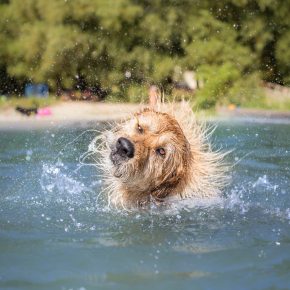
Seven activities for your dog in the heat and five to avoid
June 14, 2023
When it’s hot outside in Derbyshire, it’s essential to take extra precautions to ensure your dog’s safety and wellbeing. Below are some fun and safe activities, as advised by STAR Vets’ dog-loving nursing team, you can do with your dog to keep them active and engaged while staying cool.
How hot is too hot for dogs we hear you ask?
Vet Caroline Ward advises,
- Above 19 degrees Celsius can cause your dog to overheat and become dehydrated
- Above 25 degrees Celsius is too hot for dog walks
- 22 degrees Celsius in a car could reach 47 within the hour
However, some dogs, perhaps if they are overweight, have lots of fur or have health issues, may struggle in lower temperatures.
We also have a helpful guide on what not to do with your dog in the heat – download our infographic and remember to share it with your friends and family.
5 things NOT to do with your dog when it’s hot
7 Dog Activities for Hot Weather
- Swimming: If your dog loves the water, swimming is an excellent activity to keep them cool and active. You can take your dog to a dog-friendly beach or pool or set up a (supervised) paddling pool in your garden. We’d love to see photos of your dog enjoying a splash about – go ahead and share them on our Facebook page!
- Indoor Playtime: When it’s too hot to play outside in Derbyshire, bring the fun indoors. You can set up an obstacle course or play hide and seek with your dog.
- Frozen Treats: Make some homemade frozen treats for your dog to enjoy. You can freeze some of their favorite treats or dog-safe fruit in ice cubes or create a DIY dog-friendly ice cream.
- Morning/Evening Walks: When planning your dog’s daily walks, Vet Caroline Ward recommends opting for early morning and/or evening walks when it’s cooler outside. Dogs won’t die from missing a few walks, but they could easily die from heatstroke…
- Interactive Toys: Interactive toys, such as treat-dispensing puzzles, can keep your dog mentally stimulated and engaged while they stay cool inside.
- Shade and Rest: Make sure your dog has plenty of shade and access to cool water when they’re outside. Encourage them to rest and take breaks when they need it.
- Grooming: Keep your dog’s coat well-groomed to prevent heat retention. Regular brushing can help remove excess fur and keep your dog’s skin healthy. With most dogs loving a good brushing and extra attention from their favourite humans, Caroline suggests that grooming will be a bit hit with your pet!
Remember to always keep an eye on your dog’s behaviour and look out for signs of heat exhaustion, such as excessive panting, drooling, and lethargy. By taking these precautions and engaging in fun and safe activities, you and your dog can enjoy the summer while staying cool and comfortable.
Also, remember to check out STAR Vets’ guide on,

Common causes of alopecia in dogs
May 7, 2023
Alopecia is the partial or complete lack of hairs in areas where they are normally present. It can be worrying to see your dog losing hair, but the underlying cause can be successfully treated most of the time. Here is our list from Vet Caroline Ward displaying common causes of alopecia in dogs.
- Ectoparasites – most commonly mange mites, fleas, lice, mosquitos, flies and spider bites
- Hair follicle inflammation
- Allergic reactions to bites, food or contact with a foreign body
- Bacterial or viral skin infections
- Anxiety related to self-trauma
- Endocrine diseases such as hypothyroidism, hyperadrenocorticism and flank alopecia
- Vitamin deficiencies due to an unbalanced diet
- Genetic and autoimmune disorders
- Environmental (dirty, hot, humid conditions)
- Vaccines, chemical exposure or burns
If you are unsure about what could be causing alopecia in your dog, do contact our Atherstone Road practice on 01530 270 170.
Get your dog diagnosed – book now
Diagnosis and treatment of alopecia in dogs
To diagnose alopecia in dogs, our vets will try to identify the root of the problem. They do this by gathering a history, observing the site of hair loss, and looking out for a waxy/greasy feel to the skin as well as a yeasty smell. They will then perform one or more diagnostic tests such as a skin scrape, bacterial culture, or blood test to confirm the underlying cause of the alopecia.
Caroline advises that due to the plethora of causes of alopecia, there is a wide variety of treatments. Some treatments include antifungals, antibiotics, medicated shampoos, sprays or ointments, anti-parasiticides, anti-histamines, diet or environment changes and surgical removal.
It’s important that you get a veterinary diagnosis for your dog’s hair loss and follow their treatment advice as not applying the correct products for the cause may not help or could make the condition worse. Get in touch to book an appointment with Caroline or any the vets at Appleby Magna.
Recovery and management
Once the cause of the alopecia has been identified and the treatment has been administered, your dog will most likely recover successfully. To help maintain your dog’s health, avoid known allergens in the environment if this is the cause and keep them up to date with parasite control and grooming.
If your dog begins to develop alopecia again, do contact our veterinary team to prevent painful development of the symptoms.


