
The essential puppy socialisation guide every new owner needs
April 14, 2023
Getting a new puppy is one of the most exciting experiences life has to offer and it is an amazing feeling when you become a pet parent. However, it is common for new owners to underestimate their newfound responsibilities when taking good care of a puppy.
Vet nurses at our Appleby Magna practice are here to help you through your journey, giving advice on socialisation, diet, training, exercise, and visits to the vet.
Check out their list of essential needs below and download our handy Puppy Socialisation Checklist:
Everything your new puppy needs
Socialisation
In the first three months of a puppy’s life, they go through what is known as their ‘socialisation period’. This is an important stage because they begin to learn about the environment around them as well as learn what correct behaviour looks like. This will set them in good stead for socialising, having a good temperament around people and other animals, and can even make dog walking more pleasant.
Our nursing team recommend that to begin with, friendly, vaccinated adult dogs are the best companions for your new puppy when they come home with you as they can let off some steam, learn canine social cues, and build confidence around other dogs. If you have a cat in your home, when introducing your puppy, keep them on a lead and allow the cat to have an escape route; it is often very stressful for a cat to have a new, hyperactive puppy in their home.
Our team have put together a handy Puppy Socialisation checklist that covers lots of experiences for your new pet; download it here:
Get our Puppy Socialisation Checklist
Diet
Nutrition is of the upmost importance when you are looking after a new puppy to ensure optimal growth, development of their physical systems, and overall welfare as they get older.
When buying pet food from the supermarket or a company online, make sure to look at the information label. Here you will find what age group the food is designed for, dry matter percentage, and how many calories are in the serving, amongst more detail about protein and other nutrients. If you have any queries involving diet, do get in touch with our team at Appleby Magna by calling 01530 270 170.
Training and exercise
Training and exercise should be worked into your furry friend’s day-to-day routine, so they get into a habit of exhibiting good behaviour. Training should encourage and support sustainable toileting, sleeping arrangements, them getting used to being alone in the house, and conduct around food, people and other animals.
As for exercise, our Head Nurse Lara advises it is important that puppies go for a walk every day, but there are different lengths of time for different ages and breeds. Not only will this let them expel some energy whilst developing a healthy respiratory and musculoskeletal system, it will also allow them to explore new scents and environments.
Contact us to ask advice on how much exercise your age and breed of puppy requires.
Vet visits
When you bring your puppy home, you need to know if they are vaccinated, have any gastrointestinal parasites, or if they have a runny nose or cough. If they are vaccinated and free from illness, then they can socialise with other animals.
Puppies will usually be vaccinated and microchipped at 8 weeks old and then vaccinated again at 12 weeks to boost their immunity, but other protocols may be followed depending on the breed. You should also bring your puppy to our Appleby Magna vet practice to get an overall health check and set up a plan for booster vaccinations, parasite control, get advice on nutrition, and to ask any questions about puppy rearing.
Start socialising your new puppy
Overall, the first few months you have with your puppy are crucial for creating a suitable routine and for developing a precious bond to ensure both you and your pet live happy lives together.

Protect your dog from worms with STAR Vets’ 3-step guide
March 7, 2023
Spring is in the air and with the warmer and wetter weather parasites, like worms, become much more prevalent. With that in mind, we’re encouraging STAR Vets’ clients to make sure their dogs are up to date with worming tablets and if their cover has lapsed, to make an appointment at our Atherstone Road surgery. When you come in our nurses can advise you on the best products to keep worms at bay.
Follow our simple worm prevention checklist
Our head nurse Lara has highlighted a simple three-step process to help you help your dog avoid worms. They have also put together a reminder, in the form of a simple PDF poster, for you to download, print, share & keep. Follow our simple advice and you’ll stand a very good chance of saving your dog a lot of worm-based hassle.
1. Prevent – Make sure you worm your dog regularly
This is the most effective way to protect your pet, but you must use medication that is appropriate for your dog. Never share wormers between dogs as they are pet specific.
2. Check – Know the signs of worms and check your dog regularly
Download our PDF to get all the details. Lara has also added a few pointers at the end of this article.
3. Avoid – Avoid common ways that worms are contracted
Things like dog faeces, fleas, slugs & snails, and dead host animals can all carry parasitic worms. Help your dog avoid these and you’ll minimise the chances of them contracting a worm infestation.
Download our detailed checklist
Now download the infographic, it’s got all the detail you need in an easy-to-understand format. Please feel free to either share it with other dog owners, we’re very happy for you to post this on your preferred social media channel. Or just print it out and pin it up somewhere until spring is over.
Download our worm prevention PDF
Know the signs of worms and act early
We’d encourage any dog owner to make themselves familiar with the signs of worm infestations. Below, we have listed the main types of worms we tend to see at STAR Vets along with the symptoms one might expect to see with each.
- Tapeworms: You may notice individual segments of these flat worms that look like grains of rice in your dog’s faeces or on their anus, ‘scooting’ their bottom on the ground, and weight loss.
- Hookworms: Pale gums, anaemia, weight loss, weakness, bloody diarrhoea, itchy paws, poor growth – can be fatal.
- Roundworms: Rice or spaghetti-like worms in faeces, vomiting, diarrhoea, swollen and painful belly, weakness, dull coat, and weight loss.
- Whipworms: Diarrhoea, bloody stools, anaemia, and weight loss.
- Lungworm: Weight loss, difficulty breathing, coughing (with blood), lethargy, unexplained bruising and bleeding, seizures, collapse, shock, blindness – can be fatal.
If you see or suspect your pet has any of these, we suggest you call us for advice and to book an appointment.
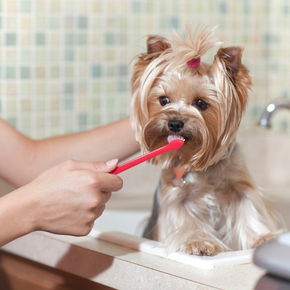
Vet Caroline Ward recommends six dental checks every dog owner should be making
February 21, 2023
It’s pet dental health month so the team at STAR Vets in Derbyshire have devised six simple checks that every dog owner should be doing between vet visits.
We’ve also created a Dog Dental Health Checklist for you to download and keep. Use this to brush-up on your dog’s dental routine now and if you spot anything that concerns you, book a dental check up immediately.
All dog owners in Derbyshire need to know how important it is to keep on top of their dog’s oral health. Infections caused by gum disease and loose teeth can lead to pain and bad breath at the very least. However, in some circumstances, oral infections can spread to the heart, liver, kidney, or lungs with much more serious consequences.
Six simple checks to maintain your dog’s oral health
Here’s what our head vet Caroline says you should be looking out for:
- Bad breath
- Painful, red, swollen or bleeding gums
- Plaque – this will appear as a build-up of yellow material on the teeth
- Tartar – this will appear as a hard, brown build-up on the teeth
- Loose or missing teeth
- Mouth pain – you’re going to need to look out for the three main symptoms:
- Decreased appetite
- Difficulty eating
- Reluctance to be handled around the mouth
Regular dental checks must be backed up with a weekly once-over at home.
Now you know what to look out for, you should check your dog’s mouth every week or so. Catching dental issues early is important. Just like in humans, a month is a long time for a dog to suffer from toothache. If you need any help, just give us a call or pop into STAR Vets and one of our nurses will show you how to examine and clean your dog’s teeth.
Preventing plaque and bad breath in dogs
We all know that prevention is better than cure. Taking one or more of these simple actions will help maintain your dog’s teeth and gums between visits to our practice.
- Brush your dog’s teeth regularly with pet-safe toothpaste
- Give your dog chew toys
- Feed dry dog food or a specialised dental diet
- Download, print, and use the extra advice in our ‘doggy dental checklist’
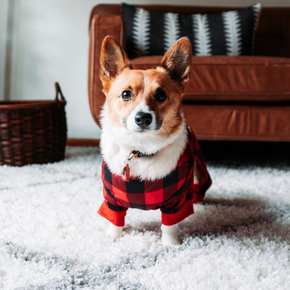
Six easy ways to perk up your pooch in the new year
January 7, 2023
It’s not just people who suffer from the post-Christmas blues. After all the fuss and excitement of the festive season, dogs can struggle to get back into their usual routine, get bored more easily, and start to display unwanted behaviours.
To help you help them, our head vet Caroline Ward has some ideas for perking up your pooch below.
Plus, don’t forget that you can always contact us for advice if you’re worried about your dog’s behaviour.
If, after reading Caroline’s tips you have some of your own you’d like to share, pop over to Facebook and share them on our page.
Signs your dog is bored
If your dog is acting differently, they might not be getting the stimulation they need. Keep an eye out for these behaviours, which are all signs of boredom:
- Chewing
- Restlessness
- Sighing
- Constant pining for your attention
- Destructive behaviour
- Following you around with a toy when you are home
- Excessive barking
- Chasing their tail
- Digging
- Licking paws
- Excessive grooming
Some of the above behaviours could also be related to ill health too, so it would be wise to book your dog in for a check-up at STAR Vets to be on the safe side. Call us on 01530 270 170 or visit our website to book an appointment online.
Six ways to combat boredom
According to Caroline, the good news is that it’s relatively easy to bust that boredom. While we often assume physical activity such as walking is the key to correcting behaviour, the benefits of mental stimulation are plenty and just as important as physical exercise.
Caroline has put together some ideas for combatting dog boredom both physically and mentally below – check them out:
- Mind-stimulating games, such as playing hide-and-seek with their favourite toys or treats or teaching them new tricks.
- Puzzles – you can pick up brain stimulation and puzzle games in most pet stores in Appleby Magna and online. These are designed to keep a dog’s mind really active and engaged so have a look for interactive puzzles. Remember to start simple and move your dog up in difficulty level as they progress.
- Plenty of exercise is vital at any time of year, but it’s easy to get lazy when it’s cold outside. Caroline suggests adding new routes to your normal routine or varying the length or frequency of walks to mix it up a bit. January is Walk Your Dog Month so be sure to get out there and let your dog run off that excess energy – you’ll both feel healthier and happier for it! You could also do activities on walks such as going around posts, under or over benches (if your dog is able) or try practising tricks or commands for rewards. Remember, stay safe, have fun and wrap the both of you up warm!
- Playtime not only entertains your dog (and you), but also helps them to positively focus any predatory behaviour. Playtime stimulates their mind and provides exercise too, whether indoor or outdoor.
- Puppy preschool and similar structured classes are a safe environment to teach obedience, communication, and socialisation. They are great for owner ‘training’ too!
- Companionship is as important for dogs as it is for people. If you’re a one-dog household, take them to play with a friend. Not only will it give your dog essential social skills, but it’s also lots of fun.
Remember, you can always ask our vets or nurses here at STAR Vets for dog game ideas or for advice about improving your dog’s behaviour. Here’s to a happy and healthy new year with your dog!
Got any ideas of your own you’d like to share with other dog owners?

Bonfire Night, Christmas, New Year – how to help stressed dogs cope
December 14, 2022
Then last quarter of 2022 has probably been a busy and loud one with one thing after the other – Halloween, Bonfire Night, Christmas and finally New Year’s Eve – so many fireworks and people and parties and… As you head into 2023, you and your dog can enjoy some calm and a return to routine. But has it all been too much for your dog? How would you know if they are stressed out and need some help?
Our Veterinary Surgeon at STAR Vets, Caroline Ward, has some advice on spotting the signs of stress in dogs and how to avoid or manage them.
Having dogs as pets makes up a huge part of our family units, whether you have one dog or numerous in your household. Whilst most dog owners follow a daily routine with their pets, would you recognise if your dog began exhibiting signs of stress? Annual events such as Bonfire Night and Christmas can take their toll on pets so it’s important to try to minimise stressful situations and know the signs to look for.
Signs of stress in dogs
According to Caroline, stress can manifest in many ways, usually in response to changes within the household, routine, or external factors such as noise including fireworks and other similar triggers.
Signs of stress in dogs may include
- Changes in eating habits, or a reluctance to eat
- Disinterest in walking/exercise
- Unusual behaviour such as hiding in spaces within the home
- Licking of lips
- Ears back
- Changes in body posture (tail tucking)
- Growling
- Pacing or whining
- Panting
- Urinating/defecating inside the house
- Trembling or cowering
Preparing your dog for stressful situations
It’s impossible to shield your dog from all situations they might find stressful, especially as every dog’s development and life experiences will be different. The COVID pandemic and lockdown restrictions may have meant that new puppies in Derbyshire missed out on important socialisation periods with other dogs and attending puppy classes. Basic conditioning is key in developing a dog’s ability to manage stress.
For example, as a puppy or new dog, taking them to the vets to simply pop them on the weighing scales and then leave as opposed to a complete consultation can provide a positive experience. At STAR Vets, we always make sure we have some treats at the ready too!
Noise desensitisation
In terms of noise related stress such as fireworks, thunderstorms, Christmas/New Year Parties, bonfires, and similar, the best policy is to start noise desensitisation training with your dog as early as possible. You can find further advice on this here: https://www.battersea.org.uk/pet-advice/dog-advice/desensitising-your-dog-loud-noises
Plus, our Appleby Magna team have found some sounds on Spotify for you to use: https://open.spotify.com/album/4poJuTsjg1r7l7QAUNnseh
Reducing stress during stressful events
The next best thing you can do, according to Caroline, is to not to take dogs with you to stressful events, especially bonfire & firework displays, and even busy Christmas markets. Leaving your dog at home, in their ‘safe place’, is best all round as this serves as a ‘fear free’ space.
If you have crate trained your dog, you may find that on these occasions they are happy to take themselves into their crate, although this is not the ideal time to begin crate training for the first time.
However, it is unadvisable to leave dogs alone/unattended for long periods (or at all if possible) during stressful times. Perhaps a friend or family member, whom your dog is used to, can sit with them if you have an event to attend?
Furthermore, dogs should not be coerced into sitting with you. Being allowed to find where they feel safest and happiest is best. Reassurance is also important in order to help lessen anxiety or reactivity, if the dogs seek this. It is possible to reinforce scared behaviour though by fussing too much, so balance is key.
If you would like to know more about how best to address stress modification within the home, book an appointment with one of our vets.
Calming products for dogs
There are a number of veterinary related products available to help with stress in your dog and these can be discussed with Caroline, or any of our veterinary surgeons. This may include calming supplements, quiet ears, thunder-shirts, behaviour modification, or medication.
A vet will be able to guide you or suggest an animal behaviourist or veterinary professional who specialises in the field of canine behaviour.
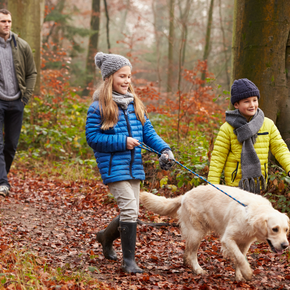
Dogs will love STAR Vets’ guide to a tail-wagging December
November 7, 2022
Christmas is coming… and our thoughts turn to what pet owners can do to have an enjoyable time of year with their dogs. The team at STAR Vets have shared their top 5 UK places to take dogs as well as alternative fun you and your dog can have closer to home.
If, after reading our article you have a favourite dog walking hotspot or home activity we’ve not covered, why not share it with other dog owners in Derbyshire via our Facebook page?
Share your dog tips on Facebook
We’ve also got some fun activities you can try at home with your dog – download it now!
Dog walking hotspots in the UK
If you and your dog enjoy getting out regardless of the weather, here are our Appleby Magna team’s top 5 suggestions for where you can go together this month:
1. The Lake District – This is one of the most stunning places all year round and pet owners travel for miles to take their dogs on the long, beautiful walks.
2. Cornwall – We often think of Cornwall as a summer destination, but winter is the real time to play as many of the beaches closed to dogs in summer are now open to welcome canine visitors.
3. Snowdonia National Park – Also famous for its beautiful scenery and long walks, Snowdonia is a beautiful place to take your canine friend for a ramble. Be extra careful in icy conditions though as driving there and walking can be tricky.
4. The Cairngorms – This mountain range in Scotland is a dog walker’s paradise; you can even go monster hunting with a cruise on Loch Ness!
5. Cotswolds Water Park – This is a beautiful place to walk dogs; they will need to be kept on a lead in most areas to protect the wildlife but it’s still worth the visit.
If you are planning to be out and about during December with your dog, our Appleby Magna vet nurses advise you to always plan ahead:
- Make sure you are familiar with the walking route you are taking and the daylight hours as these may vary across the UK – it’s unwise to explore outside of daylight hours.
- Always take a first aid kit for both you and your canine partner.
- Ensure you have all the supplies you will need to keep dry and warm. Ruff & Tumble dry coats (and other available brands) can be helpful to warm your dog after their activity.
- Our Vet at our Appleby Magna practice, Caroline Ward, also advises that you should always consider your pet’s health and abilities, especially if they are older, before planning a new adventure.
Local dog friendly walks
If you don’t fancy going on a big adventure this close to Christmas, or are worried about the short days and potential bad weather, our team have come up with some ideas for entertaining your dog a little closer to home:
- Most local garden centres and an increasing number of cafes in Derbyshire are dog friendly and enable your dog to hang out with you while you shop, potter around, or relax with a hot drink and cake.
- You’ll be surprised how fun a trip to the pet shop can be for your dog – all their favourite smells and the chance to find a rogue dog biscuit on the floor? Paradise for dogs!
- Many National Trust locations and other attractions in the UK allow dogs in parts of their grounds if you want to walk them somewhere out of the ordinary.
Dog fun at home
The team at STAR Vets have also got the perfect solution if you just fancy an indoors day or want some ideas to supplement your dog’s usual activities including tricks for treats, and timed laps around the house! Download these here:
Try these Winter Indoor Dog Activities
With Christmas around the corner, you might be thinking about Christmas gifts for your dog too. Our vet nurses recommend searching for dog boredom puzzles and toys. The more interactive the game can be, the better stimulation for your dog, especially in months where you may not be getting outdoors as much and need something to help fight boredom.
Scatter feeding, where you scatter your dog’s mealtime biscuits across the floor can make things more interesting, especially if you play hide and seek with some of their biscuits too!
Whether it’s getting out and about, games at home, or toys and gifts to put under the Christmas tree, it’s important to make sure your dog is safe and happy.
Remember to share your top dog-friendly places to go in Derbyshire and beyond on our Facebook page!

Can you walk your dog when it is freezing cold and in the snow?
October 14, 2022
With winter on the way and cold temperatures setting in across Derbyshire, it is important to know the limits of our faithful companions. The cold weather can pose serious risks for our pets, so the team at STAR Vet Clinic have outlined some tips to keep your dog healthy, comfortable, and safe in the coming months.
Can you walk your dog in the snow?
Our vet nurses can confirm that you can walk your dog in the colder temperatures including in the snow. However, there are some precautions you should take beforehand.
- Consider dog sweaters, jackets, boots, or socks to place a barrier between them and the cold. This will keep them warmer and dryer – monitor your pet to avoid overheating.
- Mix up your dog’s walking routine to get them moving more – you can use objects on the walk such as lampposts to walk them around.
- Limit walks to 15 – 20 minutes to avoid the harsher effects of the cold.
- Look for cues such as whining, shivering, or hard skin – dogs can get frostbite too!
- Alternative forms of exercise should be encouraged such as indoor play if the weather is below freezing in Derbyshire.
- Even though some dogs are more tolerant of cold weather, you should not leave them outside for long periods of time with no warm retreat.
- Keep your dog’s toe hair clipped to prevent ice from getting stuck in their fur making it painful/difficult to walk.
- Walk your dog in the day when it is a bit warmer.
- Try and prevent them from grazing or licking ice and snow – these commonly contain toxic chemicals that can be fatal for your pet if ingested in certain amounts.
- Wipe your pet’s legs, paws, and stomach after a walk – this will:
- remove harmful chemicals before they have chance to lick them
- remove grit and rain/ice water that can irritate them
- help to minimise the risk of cracked paws
- warm your dog up a bit if you use warm water
How cold is too cold to walk your dog?
Our Appleby Magna veterinary nurses advise that generally, any temperature below -4 degrees Celsius is dangerous for dogs of all shapes and sizes; above that you should be able to make a good judgement on which precautions to take.
It is important to remember all dogs are different – older, younger, small to medium breeds, and short-haired dogs are more at risk of developing frostbite or hypothermia on winter walks, so keep that in mind. If the temperature is uncomfortable for you outside (without six layers and a thick padded coat on), it is likely to be uncomfortable for your dog.
Remember though, you and your dog can also make great memories in the snow, so have fun!
If you have any extra tips, or just want to show off your dog in their new winter coat, go ahead and share them on our Facebook page.
A pre-winter health check can help to ensure your pet is fit and ready to take on the frosty season ahead. Call us on 01530 270 170 to book one now.
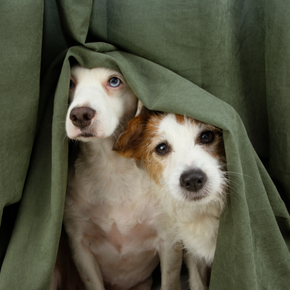
Get your dog ready for firework season with STAR Vets’ advice
September 7, 2022
Getting your dog ready for firework season should ideally start well before the end of October. Loud bangs and bright flashes can feel scary to even the most confident and assured dogs.
The nursing team at STAR Vets have pulled together their advice on how to help your dog cope when there are fireworks in Derbyshire, or wherever you are staying. Their advice covers what you can do in the months and weeks leading up to the dreaded firework season, which is typically from the end of October through to the start of January.
Download our guide: How to build a dog den
Before we dig in, are your dog’s microchip details up to date? Did you move house or change your number recently? If your dog does run off after getting spooked, your chances of being reunited with them are higher if your details are correct. You can either check on the microchip database your pet is registered to – Petlog, PETtrac etc. – or we can scan your dog and check for you – get in touch to arrange this.
How to prepare your dog for fireworks
Now your microchip is sorted, it’s time to work on helping your dog hopefully get used to the sights & sounds of fireworks, or at least get through the events with minimal stress. Read our Vet Nurses’ advice on how to do this below.
From a puppy or months in advance
Work on noise desensitisation techniques
Ideally, you will have started practicing noise desensitisation techniques with your puppy during their key socialisation phase of 8-14 weeks of age and carried on with this training as they got older. If not, even a few months before firework season can be helpful. It may be too late to see results for this year, but you can start this now for the future: download ‘Scary Sounds’ – a Sound Training Therapy Program by Sarah Heath.
4 weeks in advance
Consider calming products
Talk to one of our Appleby Magna Nurses about pet calming products such as plug-in diffusers, sprays, and collars. These devices mimic the appeasement pheromones of pets, to encourage feelings of calm and contentment. With most products, you need to start using them a few weeks in advance of the event for the best results.
If you know your pet will be absolutely terrified of fireworks, perhaps they tremble uncontrollably, continuously bark or excessively drool, then we may be able to prescribe some calming medication.
Get in touch to discuss calming solutions for your dog.
1 week before
Create a safe space
Our Atherstone Road Vet Nurses advise that it is wise to create a safe space for your dog at least a week in advance – it could even become a permanent fixture. This will give your dog a safe haven to retreat to if they feel scared. You can encourage them to relax in this space by placing treats or toys inside. You should leave them be whilst they are in there, but the occasional ‘check-in’ is fine.
To help you, our team have put together a guide on ways to create a safe space for your dog. You can download this here:
On the day
Batten down the hatches!
Here is our Vet Nurses’ advice on how to help your dog cope and avoid dangerous situations on a ‘firework day’.
- Exercise your dog during the day; keep them on a lead on the most likely ‘’firework days’ so they can’t bolt if one is set off early.
- Keep your pet indoors at night and make sure they can’t escape via your garden or front door if opened.
- Secure doors, shut windows, and close the curtains to dampen the noise and keep the flashes out of sight.
- Turn the TV or radio volume up a little to drown out the loud bangs.
- Don’t leave your pets home alone too long and definitely leave background noise on if you go out.
- Act as normal as possible around your dog – any extra cuddles will reinforce negative behaviours.
We hope you found this advice from our nursing team helpful and are ready to get into action. Remember to check out our Dog Den Building Guide here.
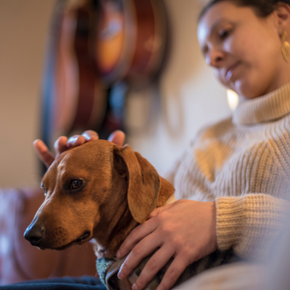
Caroline shares 7 checks you should do on your dog at home and why
August 7, 2022
As any responsible pet owner will tell you, keeping your pet fit and healthy is super important. When you’re doing a great job keeping on top of vaccinations, parasite protection, nutrition, enrichment, and exercise, what else could you be doing for your canine companion?
Vet Caroline Ward, who sees hundreds of dogs every year at our Appleby Magna practice, explains that regular health checks really matter and not just those your dog gets at the vets.
If you have any concerns about your dog’s health right now, book a check-up and our team can help.
Spotting dog health problems
Spotting dog health problems early can play a big part in keeping your dog healthier for longer, according to Caroline. The earlier an issue is spotted, and veterinary help is sought, the sooner treatment can be started – lifesaving treatment in some cases.
Of course, your dog will get a nose-to-tail health check at their annual vaccination appointment at STAR Vets, and many owners book interim checks every six-months too. However, as dogs age faster than humans, a lot can happen in a short space of time.
Caroline therefore recommends that dog owners should regularly ‘check in’ with their dogs at home and look for anything out of the ordinary.
There are many different conditions that can affect dogs such as:
- Heart disease
- Kidney/liver disease
- Orthopaedic issues such as osteoarthritis
- Hormone related problems
- Skin issues
- Ear infections
- Dental disease
- Obesity
- Cancer
- and more
Chronic dog illnesses creep in very slowly and signs can be more difficult to spot as they start so gradually. Caroline shares signs to look out for that may indicate an issue:
- Weight loss or gain
- Changes in appetite
- Changes in toileting
- Increased / decreased drinking
- Behaviour changes
- Skin / coat changes
- Lumps appearing or growing
7 areas on your dog to check at home
By checking your pet over regularly at home you can help to spot any signs of your dog’s health changing. Weekly grooming is a good time to do your own ‘dog health checklist’, which will help you learn what is normal for your dog. As part of your checks at home you should look at:
- Eyes should be bright and clear and the skin around the eyes a salmon pink colour. Some discharge from the eyes is normal, but anything excessive, green, gloopy, or causing your dog irritation needs looking at.
- Ears should look clean and have no strong smells, swelling, discharge, or pink/redness. Your dog shouldn’t be scratching or shaking their head a lot.
- A moist and soft nose is good, discharge or cracking of the skin – not so good.
- Their mouth… bad breath is a sign of dental disease so have a good sniff. Broken teeth, staining, red/inflamed gums, and a build-up of tartar are also signs of a problem. Healthy gums are typically moist and a salmon pink colour, or darker if that’s normal for your dog.
- Their skin/coat should have a healthy shine and no dandruff, matting, parasites, bald patches, or bad smells – it can dull with age. Have a good feel for lumps and bumps.
- Feet should have no overgrown fur in-between pads and nicely trimmed nails.
- When checking weight, you should be able to feel the ribs but not see them and your dog should have a defined waist.
If you spot changes in any of the above or are concerned, then it is best to get these checked over by one of our Vets to make sure there are no problems starting.

Understanding dog behaviour and getting help in Appleby Magna
July 21, 2022
Dogs are very complicated animals that have a lot of emotions. It can often be very difficult to fully appreciate exactly how your pet may be feeling and what can sometimes trigger unwanted dog behaviours. The team at STAR Vets have some helpful advice on dog behaviour below including where to seek help in Appleby Magna.
The first port of call if you are seeing unwanted dog behaviours should be your Vet. They will give your dog a full health check to see if there are any medical issues that could be a factor. Book a consultation with one of our Vets here in Appleby Magna.
What your dog is trying to tell you
Facial expressions and body posture can say a lot about how a dog is feeling in a scenario. This is a good place to start when trying to understand your dog better.
Take a look at the Guide (link below) created by the RSPCA; you can see that when a dog sits with a relaxed body posture, smooth hair, mouth open and relaxed, ears in a neutral position, a wagging tail and eyes in a normal shape, they are happy. With a few subtle changes, such as a lowered head, ears back, tail tucked in and not making eye contact, the dog is worried.
Download the RSPCA’s Guide to Dog Behaviour
By understanding these expressions and postures and the subtle changes between them, you can get the best picture of how comfortable the dog is and how you should then approach them.
Unwanted dog behaviours
Vet Caroline Ward advises that whilst understanding posture and emotions of pets is important, there are behaviours that may be dangerous or unwanted such as:
- Food aggression
- Barking aggressively at other dogs/people approaching
- Jumping up
- Fear of certain things
- Reactive at other dogs in different scenarios
- Not wanting to be handled in certain ways
The list of unwanted behaviours can be extensive and subjective as behaviours can be interpretated and tolerated differently. This will depend on who you are, your lifestyle, and what your expectations of your pet are.
Sometimes, a bit of help can be needed to make sure that behaviours are not becoming uncontrollable and causing a pet distress, and to train your pet to behave in a more desirable way.
Getting help for your dog in Appleby Magna
Pet owners may start by looking for help from a behaviourist or a dog trainer – two very different professions. It is important to understand the differences between both to understand who you may need help from. A behaviourist is looking at why an animal performs a certain behaviour, often a behaviour that is unwanted and if left could cause further complications later. A trainer is looking to teach a dog how to do certain behaviours, this could be anything from the basics of ‘sit’ and walking on a lead, to more advanced commands.
If your pet is doing something that concerns you then you will most likely need to seek a behaviourist. However, it is very important that your dog is assessed by a Veterinary Surgeon first before seeking a behaviourist’s services. This is because many unwanted dog behaviours such as reactivity and aggression can start because of pain or another type of medical issue. For example, if your dog knows they have sore elbows and a dog coming near them to play will cause them pain, your dog may become reactive because of this.
Contact us to book a Vet consultation for your dog at our Appleby Magna practice.
Once your pet has been assessed by one of our Appleby Magna Vets, a decision can be made on whether the problem behaviour is truly a learned behaviour, or if there is any indication of a medical issue behind it.
If you do need to search for a dog behaviourist or trainer in Derbyshire it is important to understand that these professions are not regulated. Therefore, you want to be confident that whoever you are taking your dog to is adequately qualified and experienced.
The Animal Behaviour and Training Council (ABTC) and the Association for the Study of Animal Behaviour (ASAB) are good places to start as their members are certified and accredited to a certain level.
Ultimately, it will be extremely beneficial to you and your dog to make sure you understand what they may be trying to tell you. Simple expressions can show you when a situation could escalate.
If you ever have concerns about your dog’s behaviour, book an appointment with one of the Vets at our Appleby Magna practice to get initial advice. It is best not to leave these things to fester as problems can become worse down the line and cause further stress to both you and your pet.


